-
Weeping Willow

Weeping Willow (Salix babylonica) Habitat and identification The Weeping Willow is a species of tree that is introduced to the UK, and is part of the Salicaceae family, the tree Is deciduous and often prized for its vibrant pigmentation or striking canopy shape. This iconic dome shaped canopy is caused by the willow branches sagging…
-
Sweet Violet
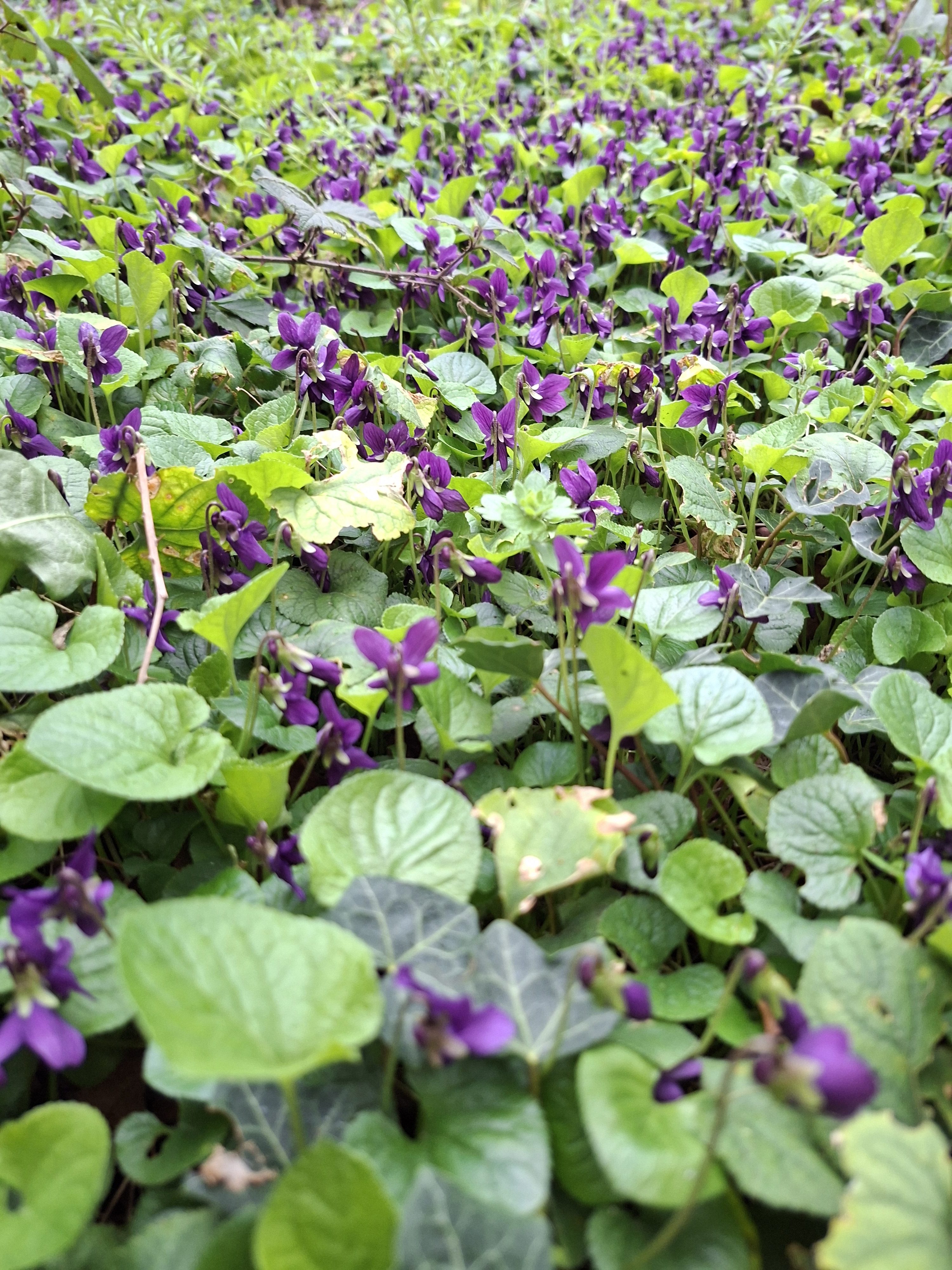
Sweet Violet (viola orodata) Habitat and Identification Sweet Violet (Viola orodata) is a herbaceous perennial that flowers in mid to late winter, through spring before dying back in summer. Due to being a perennial plant the sweet violet can sprout again in the same places year upon year, this is due to the fact that…
-
Spring Crocus
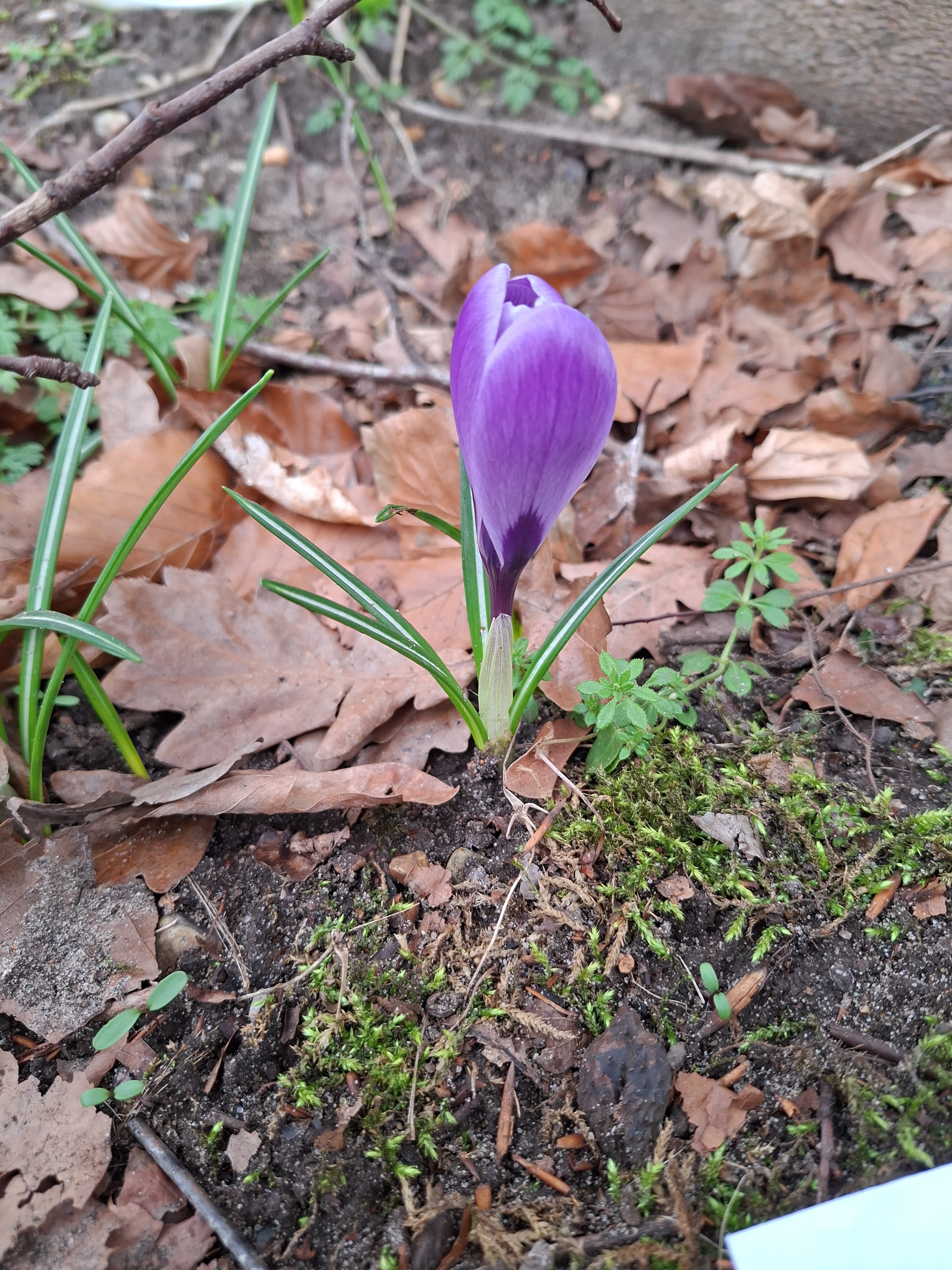
Spring Crocus (Crocus vernus) Habitat and Identification The spring crocus is a perennial deciduous flower in the Iridaceae family that grows through late winter and early spring and bears white or purple flowers through spring and summer, before dying back by the autumn. Spring crocus can be identified by its distinctive goblet shape, within which…
-
Scarlet Elfcup

Scarlet Elfcup (sarcoscypha austriaca) Habitat and Identification The Scarlet Elfcup (sarcoscypha austriaca) is a saprobic fungus in the Scarcocyphaceae family, it is part of the Pezizales order of Ascomycota, the fruiting body of the scarlet Elfcup has a vibrant red concave cap and orange stem. The Scarlet Elfcup does not have typical gills, instead it…
-
Stinking Iris
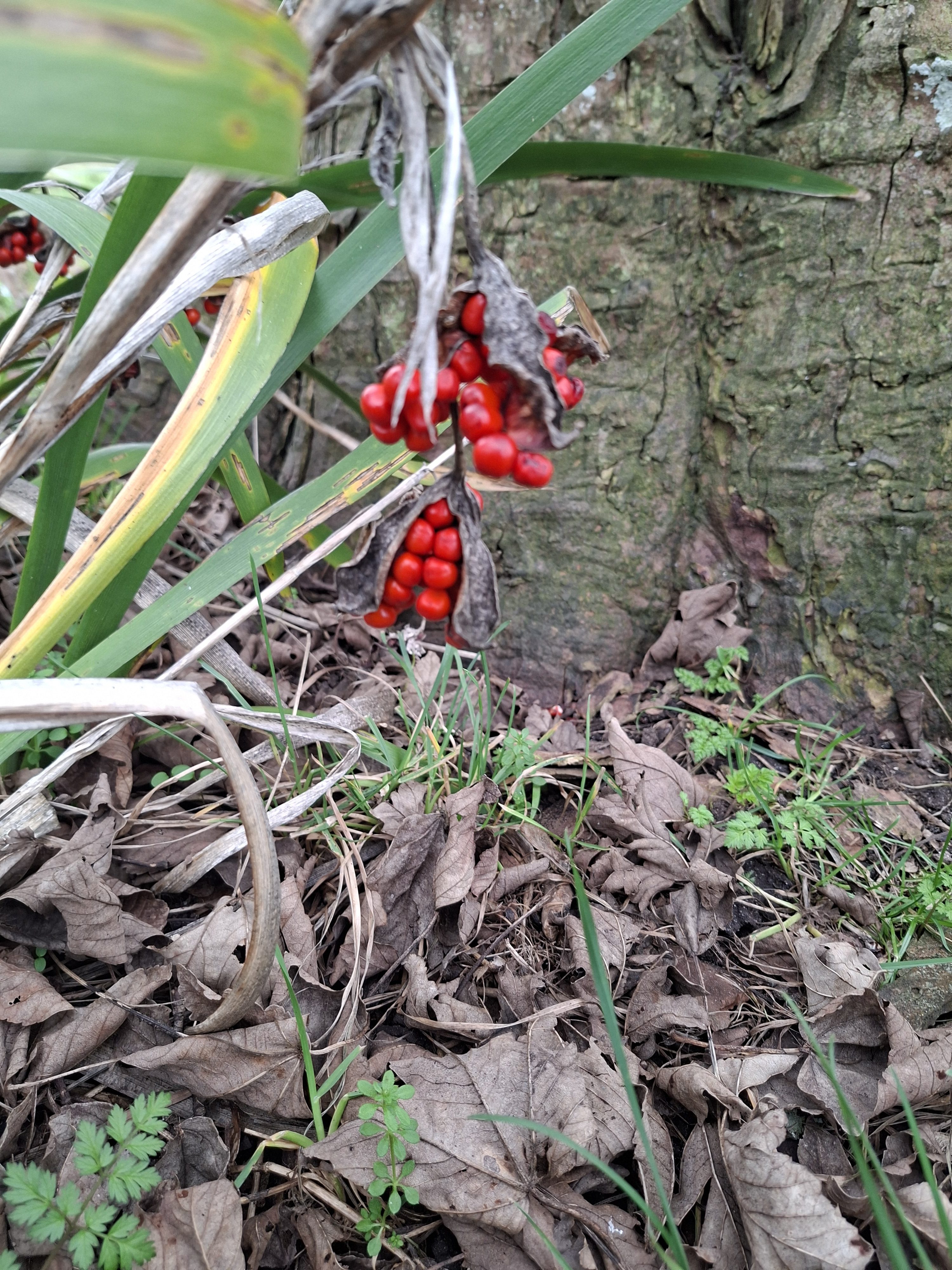
Stinking Iris (Iris foetidissima) Identification and Habitat Stinking iris is a flowering plant in the Iridaceae family that flowers in the summer and bears fruit through autumn and winter, it is perennial and evergreen with deep green leaves and bright red fruit that grows in clusters, they commonly stand around half a meter high and can…
-
Blue Anemone

Blue anemone (Anemonoides apennia) The blue anemone is a perennial flower in the Ranunculaceae family, with 6 to 7 vibrant purple flowers arranged in a whorl and dense green leaves, the leaves are palmate and divided into 3 lobes. Anemonoides apennia typically grows on the floor of ancient and managed woodlands, with activities such…
-
Wildflower Hour
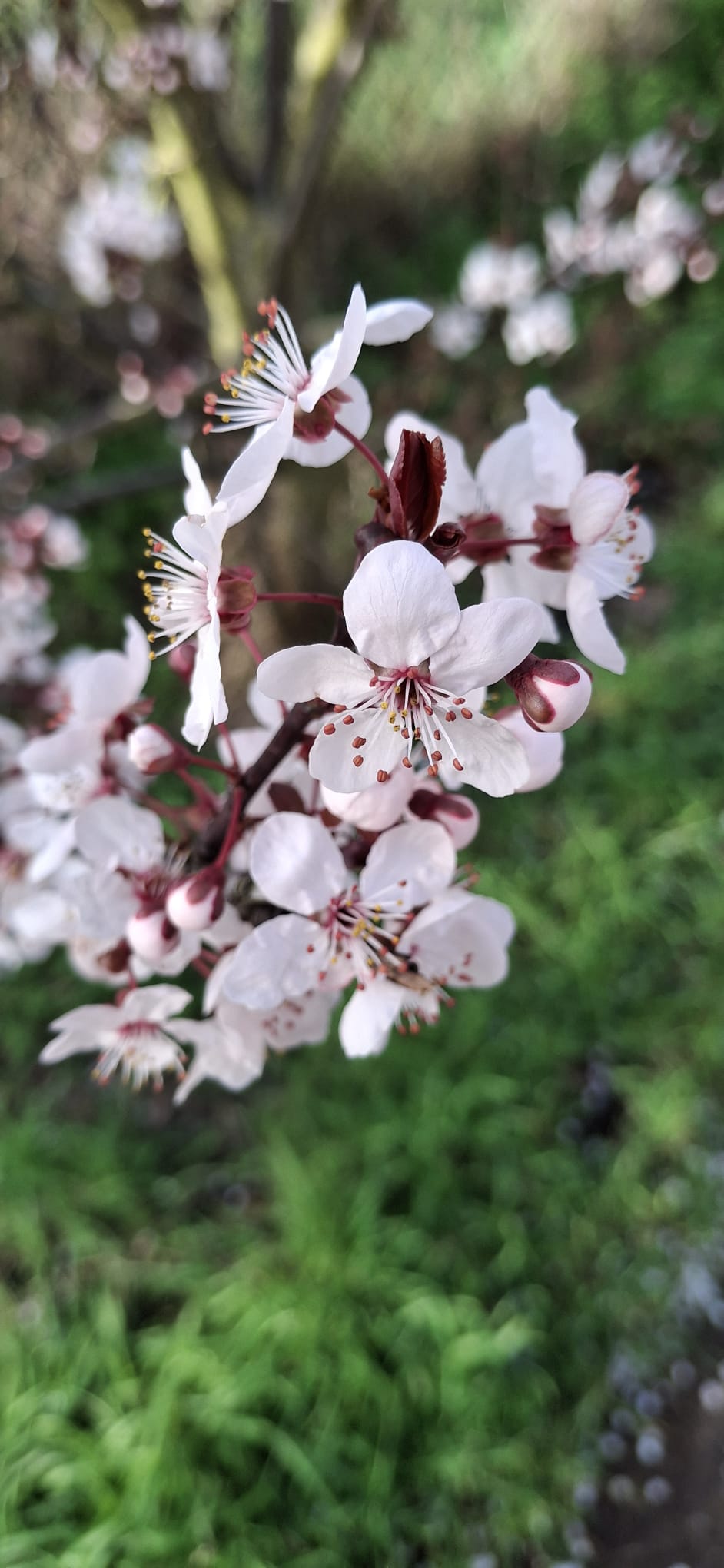
Wildflower Hour During the wildflower hour session, we walked around campus starting by the cycle path on the south west edge of campus, where we found snowdrops and gorse in flower, we later moved round the lake, woods and the sports pitches where we saw a variety of flowering plants and shrubs; blackthorn (Prunus), Lesser…
-
Miners Lettuce
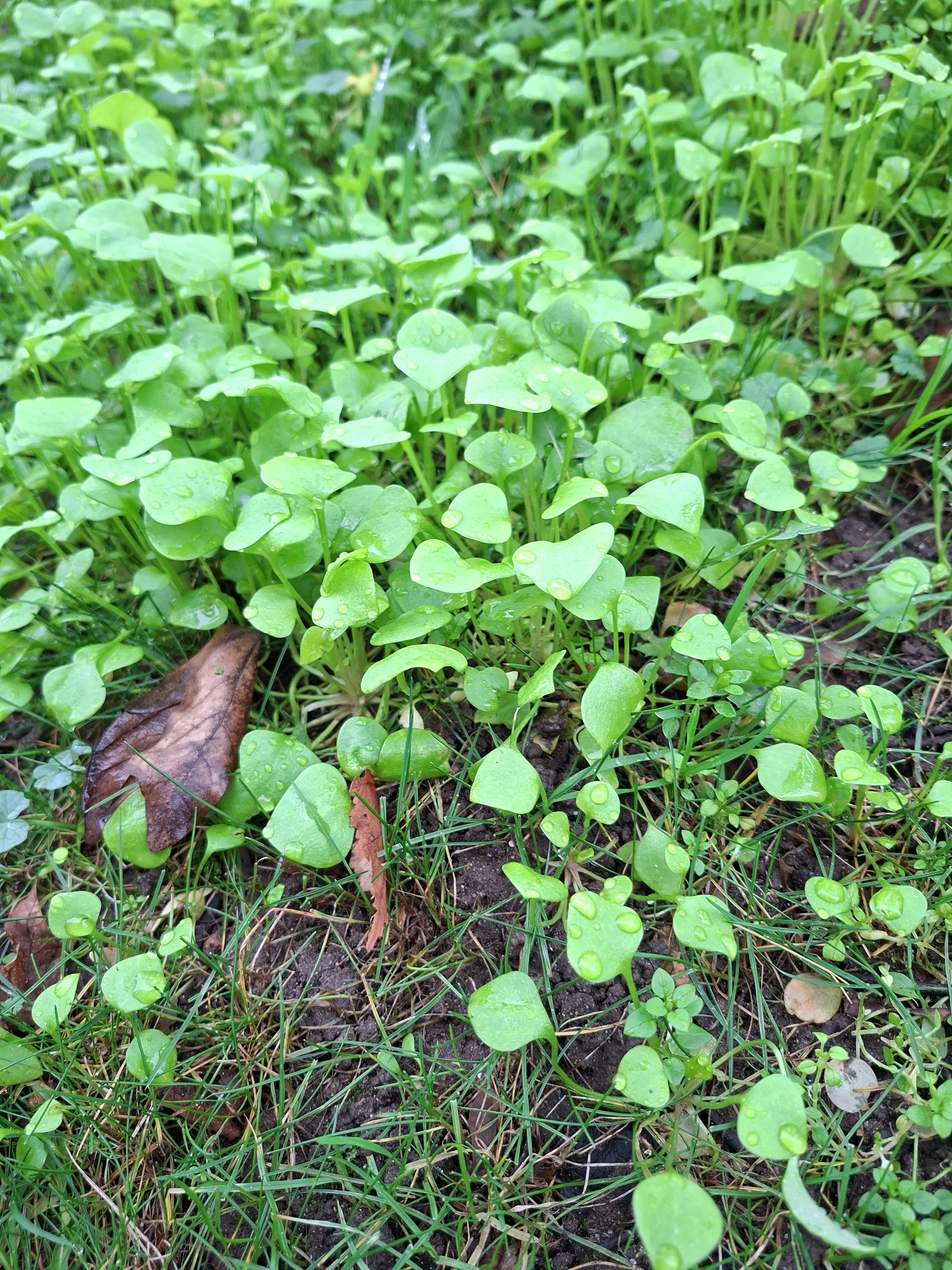
Miners Lettuce (Claytonia perfoliata) Miners lettuce (claytonia perfoliata) is an edible flowering plant belonging to the amaranthaceae family, and can commonly be found in damp and shady areas in late winter into early spring, it is not native to the UK or Europe but has been introduced and is not considered invasive, it is believed…
-
Purple jelly disc
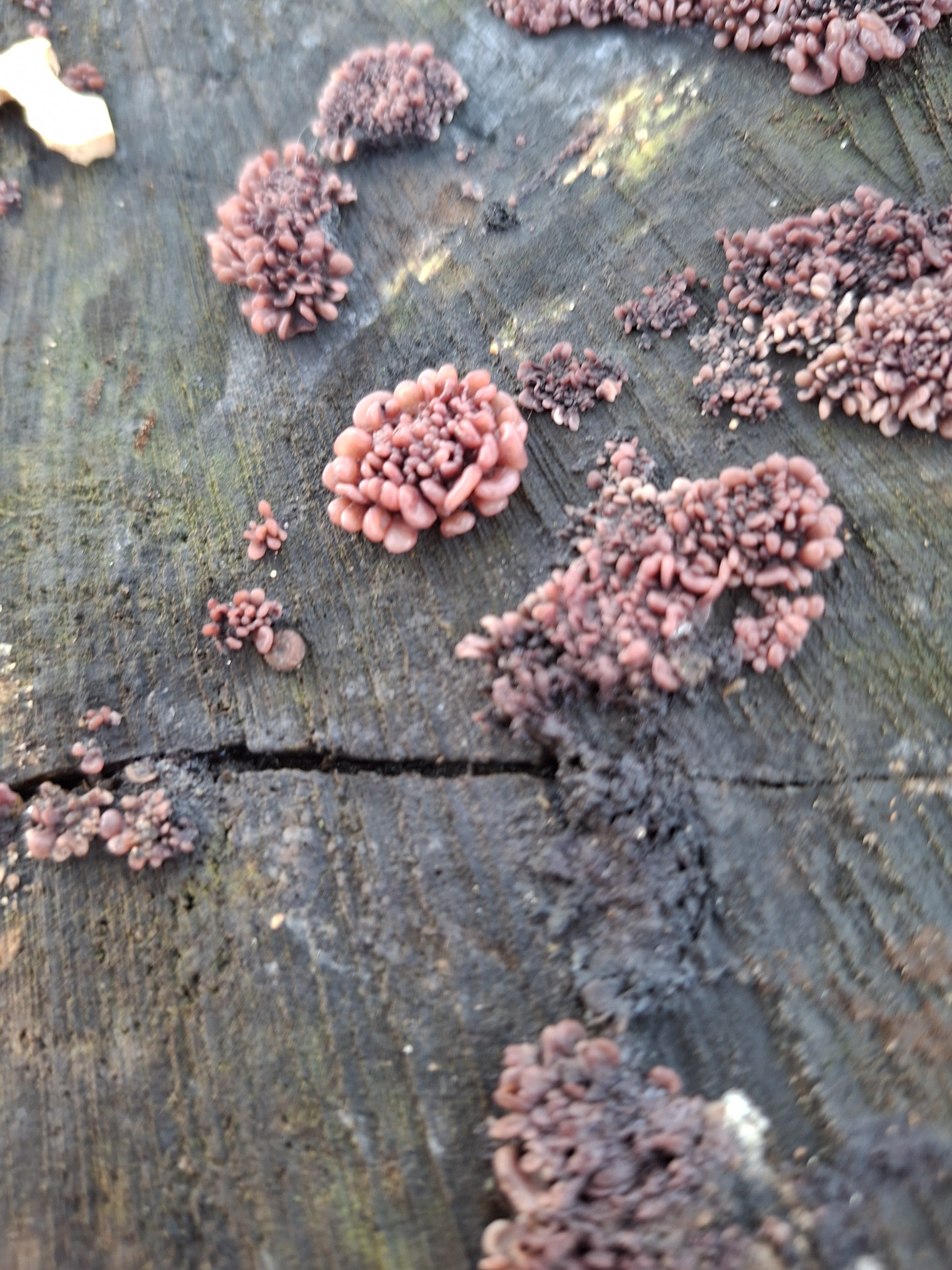
Purple Jelly Disc(Ascocoryne sarcoides) Purple Jelly Disc is a gelatinous fungus characterised by the disc structure of the fruiting body, with individual discs ranging from 5mm to 5cm in diameter, the colour of which can range from a burgundy red to a deep purple. They can commonly be found on fallen deciduous wood and stumps.…
