Wildflower Hour
During the wildflower hour session, we walked around campus starting by the cycle path on the south west edge of campus, where we found snowdrops and gorse in flower, we later moved round the lake, woods and the sports pitches where we saw a variety of flowering plants and shrubs; blackthorn (Prunus), Lesser celandine (Ficaria verna).


Snowdrops (Galanthus nivalis)
While on the wildflower hour walk, we found snowdrops in flower near the south-west cycle path exiting UEA, they grew in several small patches amongst the trees and low ground vegetation, as can be seen in the photos above, the snowdrop bears white flowers with 4 large cruciform petals with a small calyx, snowdrops are a common flower that are often some of the first heralds of spring, partially due to their unique morphological adaptations that allow them to sprout through hard frozen soil using their stiffer shoots, this is the same reason the flower of a snowdrop hangs below the highest point of the leaves, which is specially adapted to allow the snowdrop to emerge in the cold conditions of late winter and early spring. in folklore snowdrops are commonly linked to theme’s of rebirth and renewal, symbolising a new beginning after the hard conditions of winter, in contrast snowdrops have also been associated with death and graveyards, this likely stems from the fact they are commonly found around graveyards and church grounds, its likely that this leads back to their introduction into the UK in the 16th century with Norman monks and clergymen bringing them over from Normandy. It is important to note that snowdrops are not edible and actually contain compounds that can cause nausea and vomiting if ingested, however on the contrary, parts of the snowdrop can be used in making a prescription drug called galantamine, that helps to improve brain function of those living with dementia.


Gorse (Ulex europaeus)
another species we found during the wildflower hour was dwarf gorse, this was found on the foot of the slope, west of the accommodation office near the rabbit warrens.
gorse is a hardy evergreen shrub that in the spring and summer bears many bright yellow flowers, the flowers of a gorse plant are commonly between 2 and 4mm in length and around 2mm wide. the stems are covered in small fine hairs and there are spines arranged in a raceme, the spines themselves can vary in length but are commonly around 1-4cm in length and are quite stiff, depending on the species of gorse, the flowers may smell of coconut.


Blackthorn (Prunus)
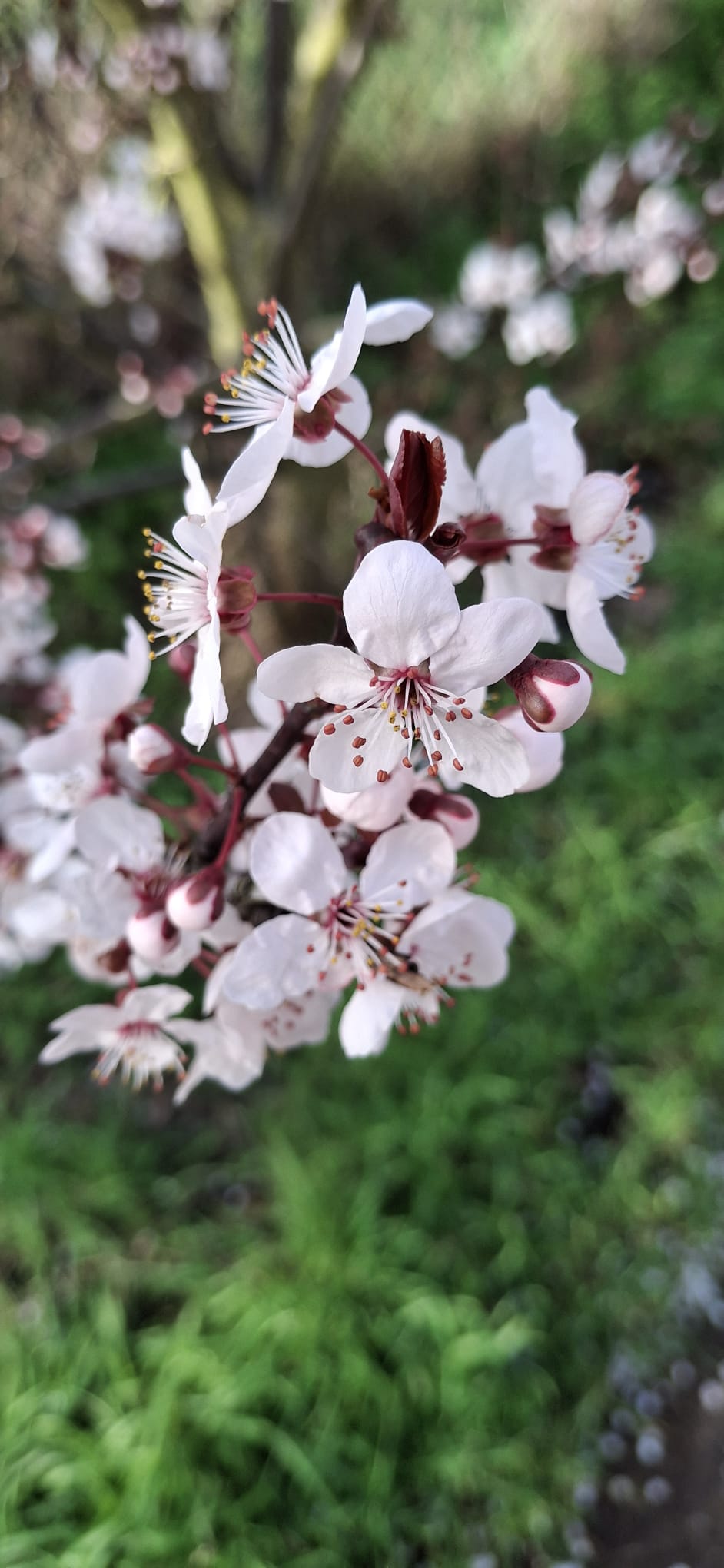
During the wildflower hour, we also found Blackthorn, a dense and sturdy shrub that bears white flowers with 5 petals arranged in a radial fashion, the branches of the blackthorn bush can range from brown to black or grey depending on maturity, the bract near the node of each twig is normally reddish in colour but can range to a more orange/green hue, interestingly with blackthorn the flowers bloom before the leaves or fruit appear, providing quite a stark contrast between the dark shades of the branches and the bright white flowers.


Lesser Celandine (Ficaria verna)
at the end of chancellors drive near the new science building we found lesser celandine growing among some low ground cover and daffodils, lesser celandine is a small flowering plant that bears yellow flowers with 6 petals in a radial pattern, it typically grows quite close to the ground similar to the common daisy, however unlike the common daisy, lesser celandine has an alternating arrangement of leaves, varying in size from 2-4cm across and are cordate in shape, the flowers of lesser celandine are commonly visible in early spring and open in the sunlight
Class list
during the wildflower hour session as a cohort we found and identified the following plants;
•Lesser Celandine
•Cowslip
•Hairy Bittercress (limited evidence)
•Field Speedwell
•Snowdrop spp.
•Daffodil spp. (possibly wild)
•Red Deadnettle
•White dead nettle
•Gorse (furze)
•Annual Mercury
•Prunus (blackthorn)
•Winter Aconite
•Chickweed common
•Crocus spp
•Sweet violet
•Siberian squill
•Common Daisy/ lawn Daisy
•Prunus (cherry plum)
•Spring Beauty
•Alder
•Hazel
•Silver Birch
•Goat Willow
•Greater Periwinkle
•Larch
•Bulbous Buttercup
•Germander speedwell
I believe that the number of species found is quite regular given the recent weather and time of year, especially for some of the wilder areas of campus